The allure of casino gaming
Casino gaming has long fascinated individuals across various cultures, with the glimmer of slot machines and the thrill of table games drawing people in. The allure often lies in the potential for financial gain, but there are deeper psychological mechanisms at play. For example, many gamblers explore where to find the best non gamstop casinos 2026 as they seek exciting new experiences, frequently motivated by a combination of excitement, social interaction, and the escape from everyday life that casinos provide.

The adrenaline rush associated with placing bets and the prospect of winning can create an addictive cycle for many individuals. This psychological draw is further amplified by the ambiance of casinos, designed to stimulate the senses and create a euphoric environment. Lights, sounds, and the overall atmosphere work together to enhance the experience, making it difficult for players to resist the temptation to gamble.
The impact of cognitive biases
Cognitive biases significantly influence gambling behavior, often leading individuals to make irrational decisions. One common bias is the illusion of control, where players believe they can influence the outcome of games based on their skill or strategy. This belief can result in increased betting and a disregard for statistical probabilities, as players cling to the notion that their choices can lead to success.
Another prevalent bias is the gambler’s fallacy, where individuals mistakenly believe that past outcomes will influence future results, such as thinking a winning streak will continue or that a losing streak must end soon. These cognitive distortions can lead to erratic betting patterns, affecting players’ strategies and overall gambling experience, often with detrimental financial consequences.
The role of emotions in gaming strategies
Emotions play a crucial role in how gamblers approach their strategies. Positive emotions, such as excitement and joy from wins, often encourage players to continue gambling, embracing riskier behavior as they chase the high of their last victory. Conversely, negative emotions like frustration and disappointment from losses can lead to chasing losses, where players increase their bets in an attempt to recoup what they have lost.
Understanding these emotional triggers is essential for both players and casino operators. Casinos may capitalize on the emotions of their patrons to enhance the gaming experience, increasing player engagement and revenue. Recognizing the power of emotions can also help gamblers develop healthier strategies that account for their feelings, promoting more rational decision-making in the heat of the moment.
The influence of social interactions
Social interactions play a pivotal role in shaping gambling behaviors and strategies. Casino environments are social hubs where players engage with others, share experiences, and often collaborate in their gaming approaches. This camaraderie can lead to the sharing of tips and strategies, amplifying the likelihood of adopting specific betting patterns based on collective beliefs.
Furthermore, the presence of peers can influence an individual’s risk-taking behavior. In social settings, players may feel emboldened to take greater risks, often driven by the desire to impress friends or enjoy a shared thrill. This dynamic can significantly impact how strategies are formed and implemented, showcasing the importance of the social context in casino gaming.
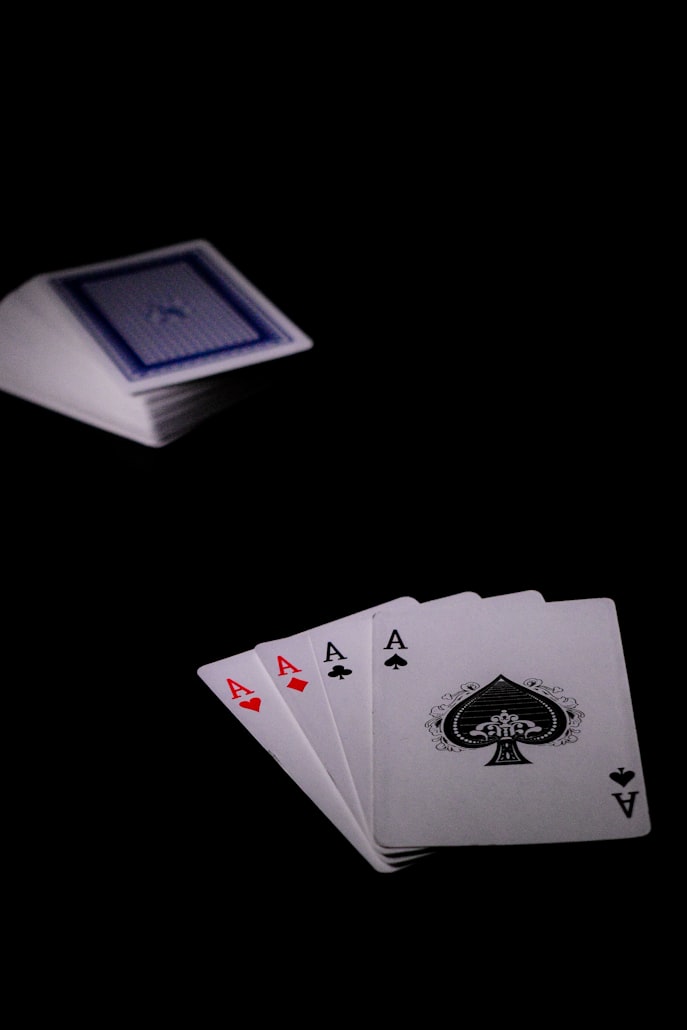
Understanding gambling psychology for better strategies
To navigate the complexities of casino gaming effectively, a deeper understanding of gambling psychology is essential. Individuals can benefit from studying cognitive biases and emotional influences that drive their behaviors. By acknowledging these psychological aspects, players can develop more rational, informed strategies that mitigate risks and enhance their overall experience.
Moreover, embracing self-awareness while gambling can empower individuals to set limits, recognize when to take a break, and ultimately foster healthier gaming habits. Understanding the interplay between psychology and strategy not only enriches the gaming experience but also supports responsible gambling practices.
